
06.07.2026
- minute readminutes read
Beyond Plaque Removal: The Hygienist's Guide to Maintaining Oral Microbiome Balance
Dental hygienists can help maintain oral microbiome balance in patients through mechanical plaque control, lifestyle counseling, and adjunctive strategies like prebiotics and probiotics to prevent dysbiosis and support long-term oral health.
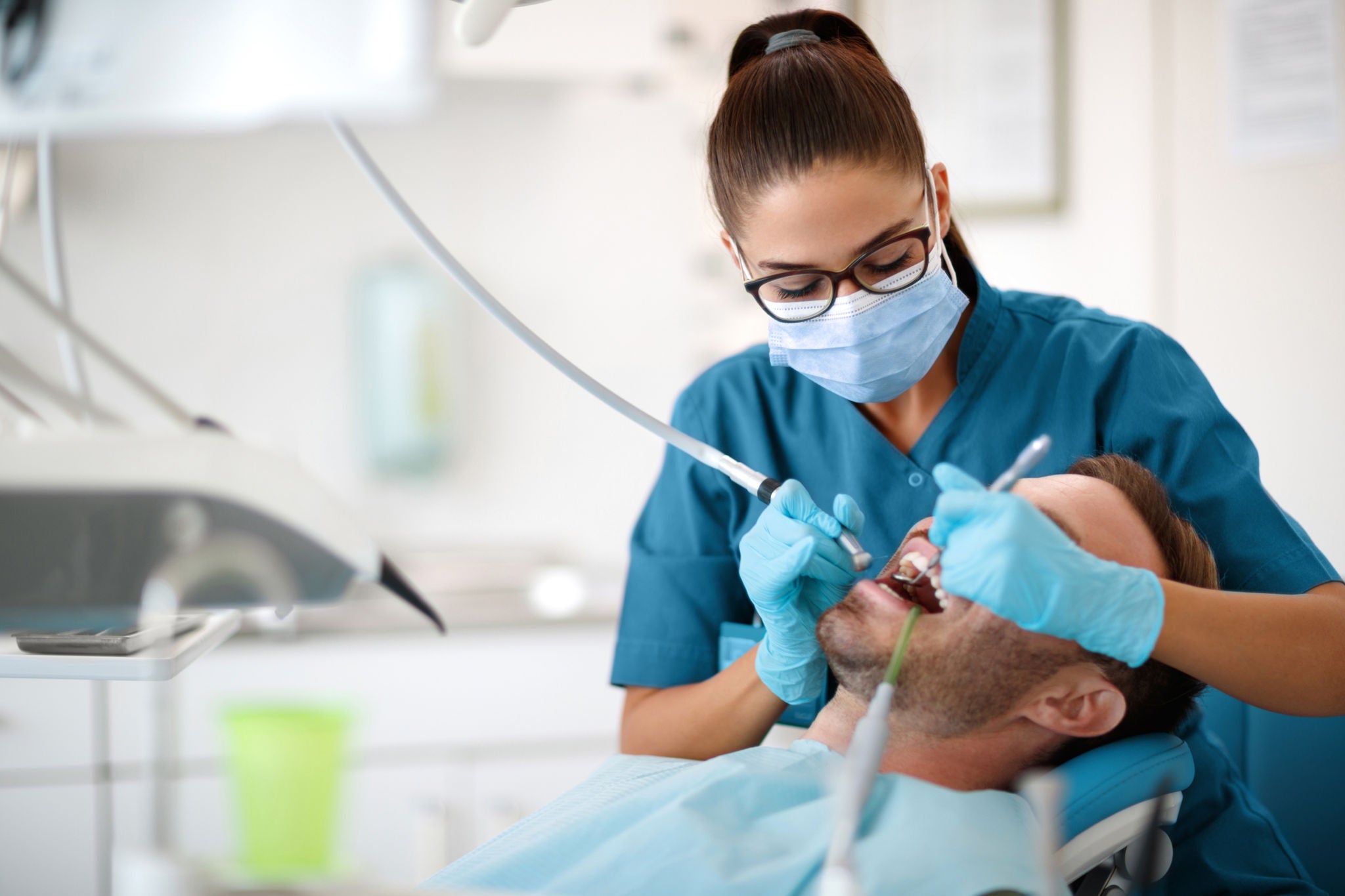
Prevention has always been at the heart of the hygienist's role. Yet many clinicians encounter patients who, even when following hygiene advice diligently, still return with recurring signs of disease.
Emerging research suggests that some patients struggle because the conditions that support a healthy microbial community have not been adequately maintained. Recognising this distinction in oral microbiome balance shifts the focus from simply removing plaque to understanding and managing the ecological conditions that allow disease to persist.
Oral microbiome maintenance is about supporting the conditions in which beneficial bacteria can thrive, maintaining a balanced microbial community, and helping patients understand that the choices they make every day are, in microbiome terms, a clinical intervention in their own right.
This is the final article in the GUM® oral microbiome series. In the previous pieces, we explored :
- An overview of the oral microbiome
- How oral dysbiosis develops and why it persists
- How biological modulation strategies can help shift a dysbiotic microbiome back towards balance
Here, we bring that science directly into the hygiene appointment by focusing on the practical tools, lifestyle conversations, and patient education framework that make the greatest difference to long-term microbial and mouth health.
Why oral microbiome balance is never finished
The mouth contains the second most diverse microbial ecosystem in the human body, supporting more than 700 bacterial species that inhabit both the tooth surfaces and the soft tissues of the mouth.
One of the most important pieces of guidance for everyday practice is that oral microbiome balance is dynamic. The microbial community in a patient's mouth is continuously shaped by the food they eat, the stress they undergo, any medications they take, and, of course, the consistency of their daily hygiene habits.
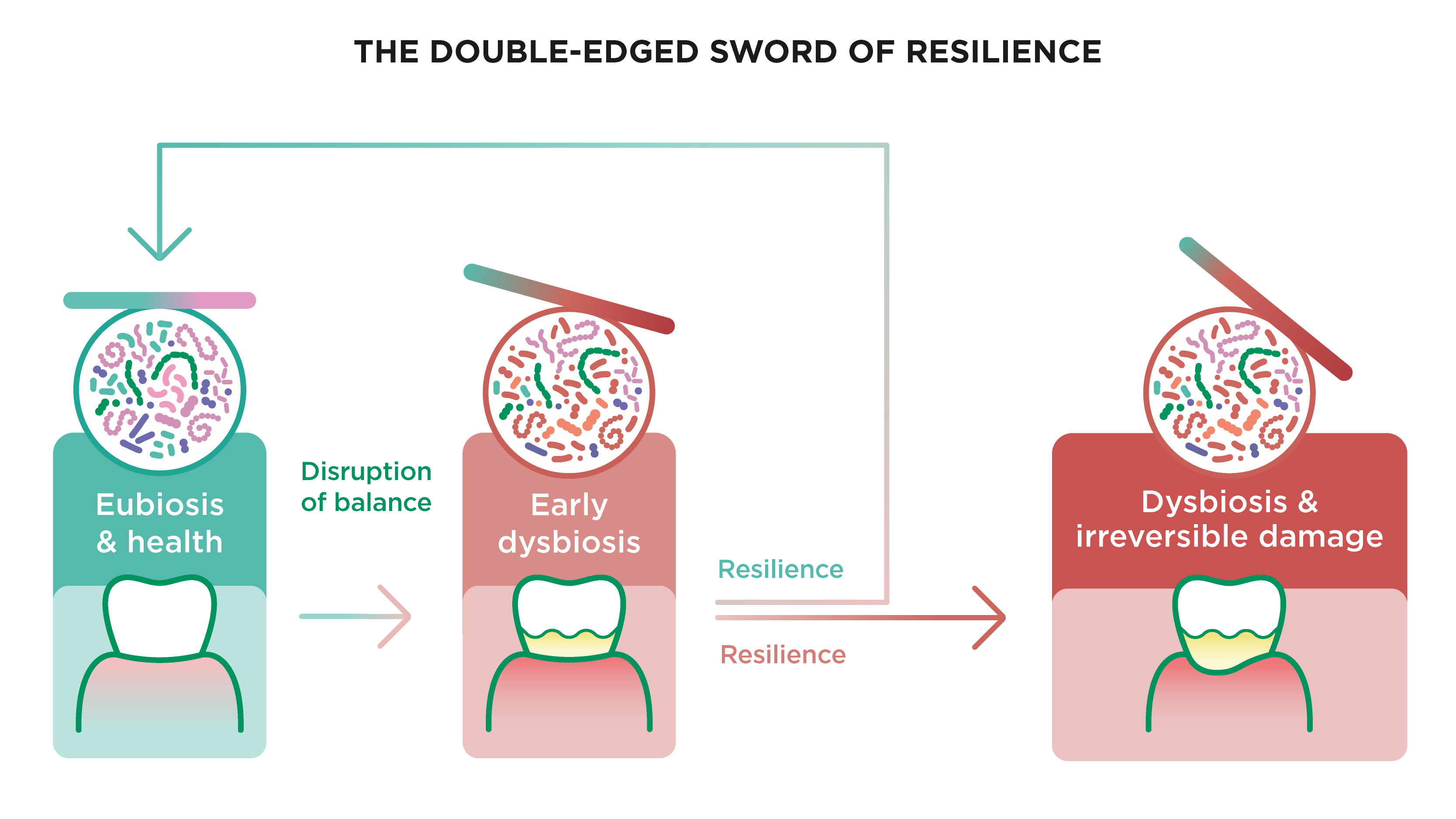
Eubiosis, the state of beneficial microbial balance, requires continuous support. When that support falters, even temporarily, pathogenic species can begin to gain ground as conditions shift. This is why some patients can present with recurrent disease despite apparent compliance: the underlying microbial environment has not been sufficiently supported between appointments.
For hygienists working within an oral microbiome maintenance framework, this changes the framing of the maintenance visit.
How quickly the balance tips
Dysbiosis is a self-reinforcing state. Once pathogenic bacteria gain dominance within the biofilm, they actively engineer conditions that make it harder for beneficial species to recover. Once established, a dysbiotic biofilm becomes harder to disrupt, less responsive to treatment, and more likely to quickly re-establish.
The most important clinical opportunity lies in the early stages of biofilm development. Intervening before pathogenic communities become established offers the greatest preventive benefit, and this is precisely where consistent daily oral hygiene and regular professional care have their greatest impact.
Mechanical control: how to balance oral microbiome
Interdental cleaning: the real hero of preventive care
Brushing disrupts biofilm across accessible tooth surfaces. But the areas where biofilm is most likely to progress towards a dysbiotic, disease-associated state are the interproximal spaces, the subgingival niches, and the margins that a toothbrush cannot reach.
This makes interdental cleaning the single most impactful daily habit a patient can adopt for oral microbiome care.
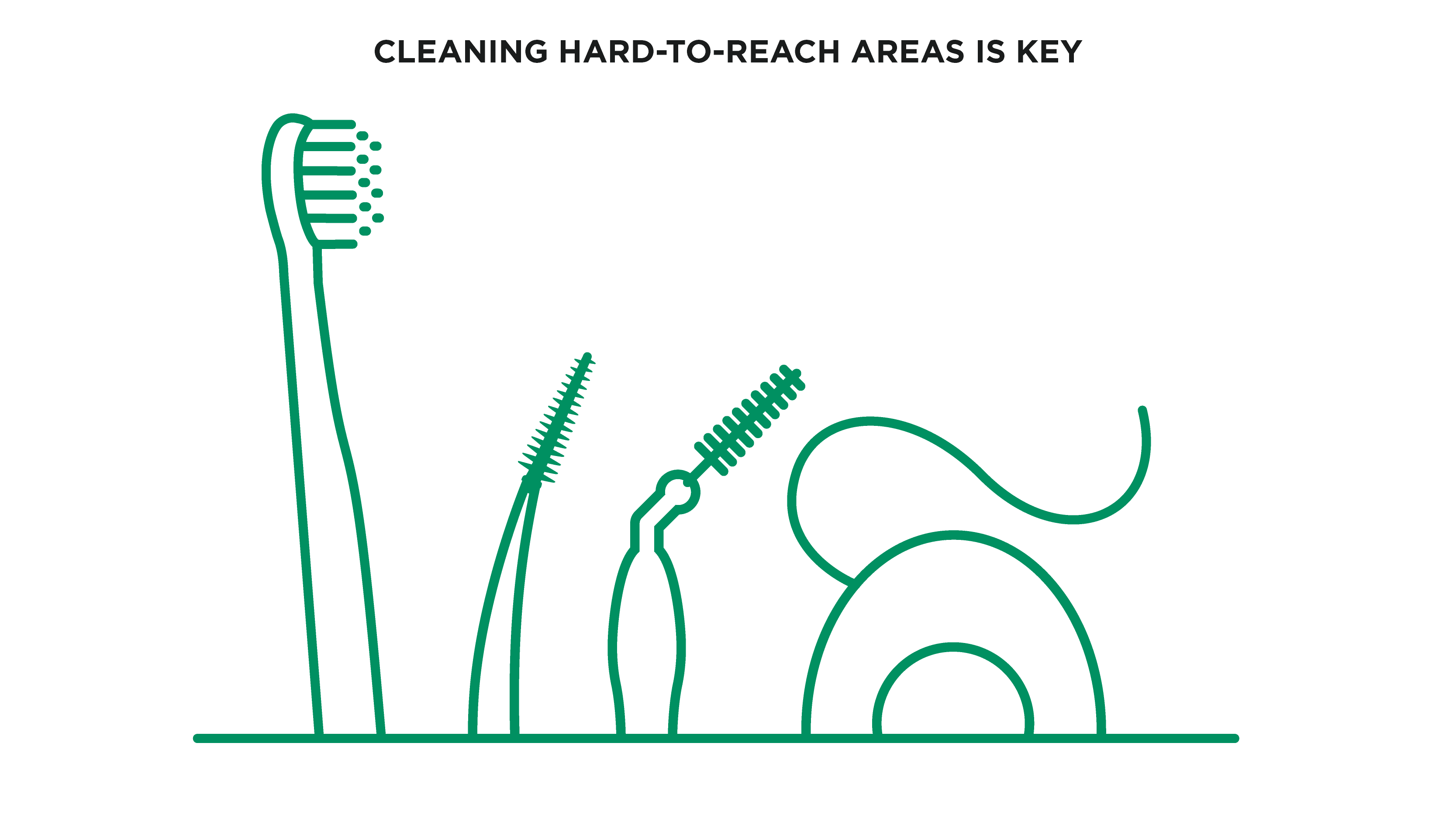
Biofilm accumulates fastest in these hard-to-reach areas. Without regular disruption, the microbial community in interproximal spaces progresses quickly through the four stages of biofilm maturation.
By Stages 3 and 4, late-colonising pathogenic species have established themselves, and the conditions for gingivitis and periodontitis are already in place.
Patients who brush consistently but neglect interdental cleaning are leaving the most vulnerable sites unattended. Framing this as an explanation of where the microbial risk actually sits tends to land more effectively than a general instruction to clean between the teeth more regularly.
Brushing technique and biofilm stage
The goal of brushing is to prevent the biofilm from progressing into a mature, dysbiotic state. Twice-daily disruption is sufficient to keep the microbial community cycling through its earlier, more health-associated stages in which it is the easiest to maintain.
Tool selection and technique matter more than most patients appreciate. Even the most advanced toothbrush will not deliver optimal biofilm disruption if used inconsistently or incorrectly.
For patients with established periodontal disease, active recession, or implants, the conversation about appropriate tools and techniques sits squarely within the hygienist's role.
Lifestyle as a daily modulator of the oral microbiome
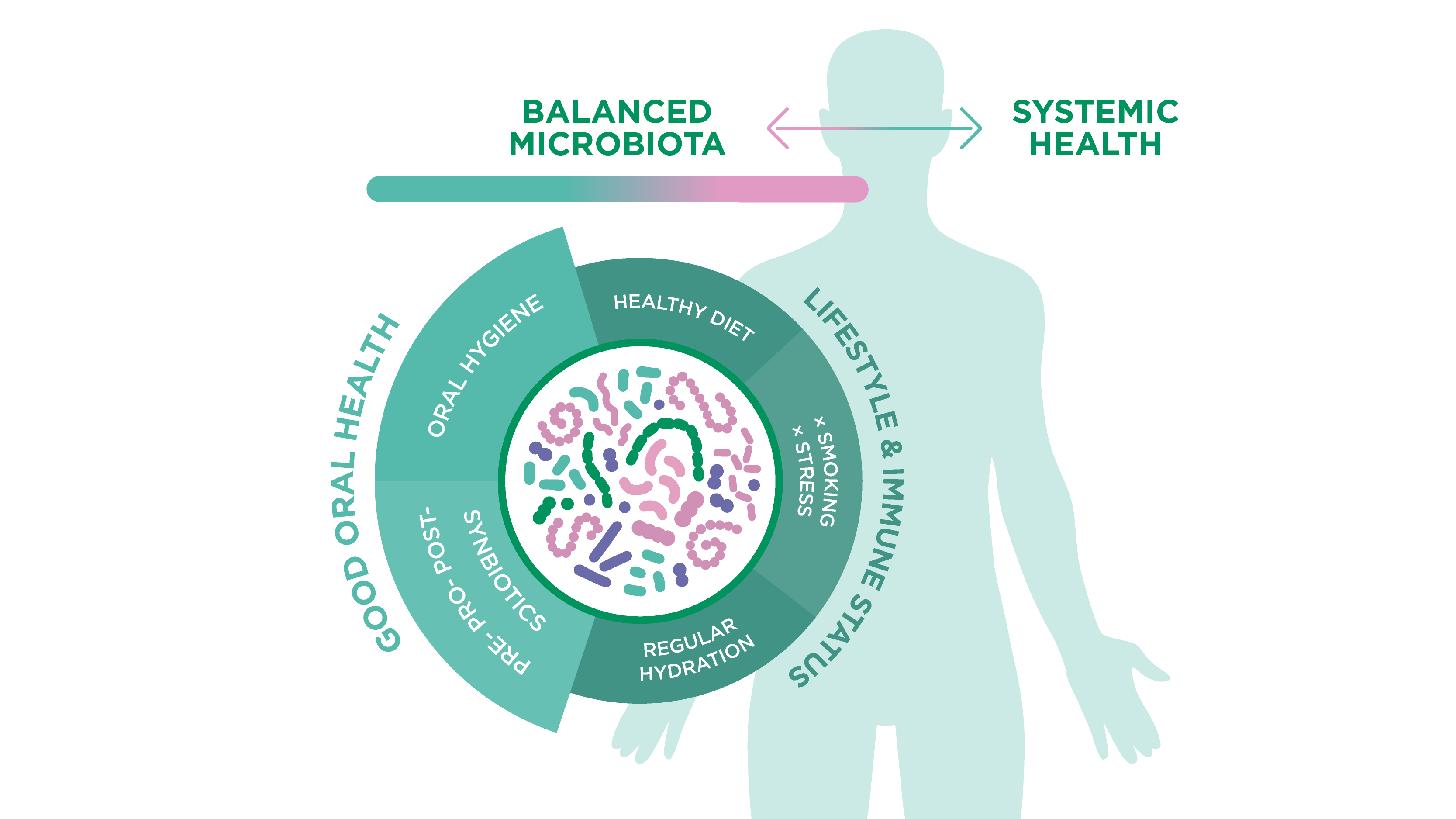
The oral microbiome is also shaped by what the patient eats, how well they are hydrated, whether they smoke, and how they manage stress. These are core levers for healthy oral microbiome habits, and the hygiene appointment is one of the most effective settings in which to address them.
Diet: sugar frequency is the key variable
High intake of fermentable carbohydrates creates repeated episodes of acid production that shift the plaque environment in favour of acid-tolerant pathogenic species.
Reducing sugar frequency is a more achievable message than simply reducing total sugar intake. Snacking on sugary foods throughout the day maintains a persistently acidic oral environment. Three meals without snacking give saliva time to buffer, neutralise, and restore a healthier pH between exposures.
Nitrate-rich vegetables such as beetroot, spinach, and leafy greens can all actively support a healthier microbial balance and are worth including in dietary guidance. Dietary nitrate is converted by oral bacteria into nitric oxide, which has antimicrobial activity against anaerobic periodontal pathogens.
Hydration and salivary support
Saliva is one of the most powerful natural regulators of oral microbiome balance. It buffers acidity, delivers antimicrobial proteins, and provides the complex nutritional substrates that support microbial diversity rather than pathogenic dominance. Reduced salivary flow (whether from dehydration, medication, mouth breathing, or systemic disease) measurably shifts the oral environment towards dysbiosis.
Adequate hydration is a simple, evidence-grounded habit that directly supports salivary function and, through it, oral microbiome health. It is also one of the easier behaviour changes to introduce as a positive recommendation rather than a restriction.
Smoking and stress
Smoking alters the oral environment in several ways that are directly relevant to microbiome balance: it depletes oxygen in subgingival niches, changes patterns of bacterial adhesion, increases salivary acidity, and impairs host immune function. These effects are largely reversible upon cessation, giving clinicians a meaningful microbiome-based rationale for cessation conversations that sit alongside the more familiar systemic health messaging.
Stress reduces immune fitness and can affect salivary composition and flow. For patients with recurrent or refractory disease who appear otherwise compliant, stress is worth exploring as part of the clinical picture.
Biological strategies for oral microbiome balance
The three levels of oral microbiome management are mechanical, chemical, and biological. For hygienists, the biological level is increasingly worth understanding as both an adjunct in clinical care and a framework for patient education.
Prebiotics: shifting the environment
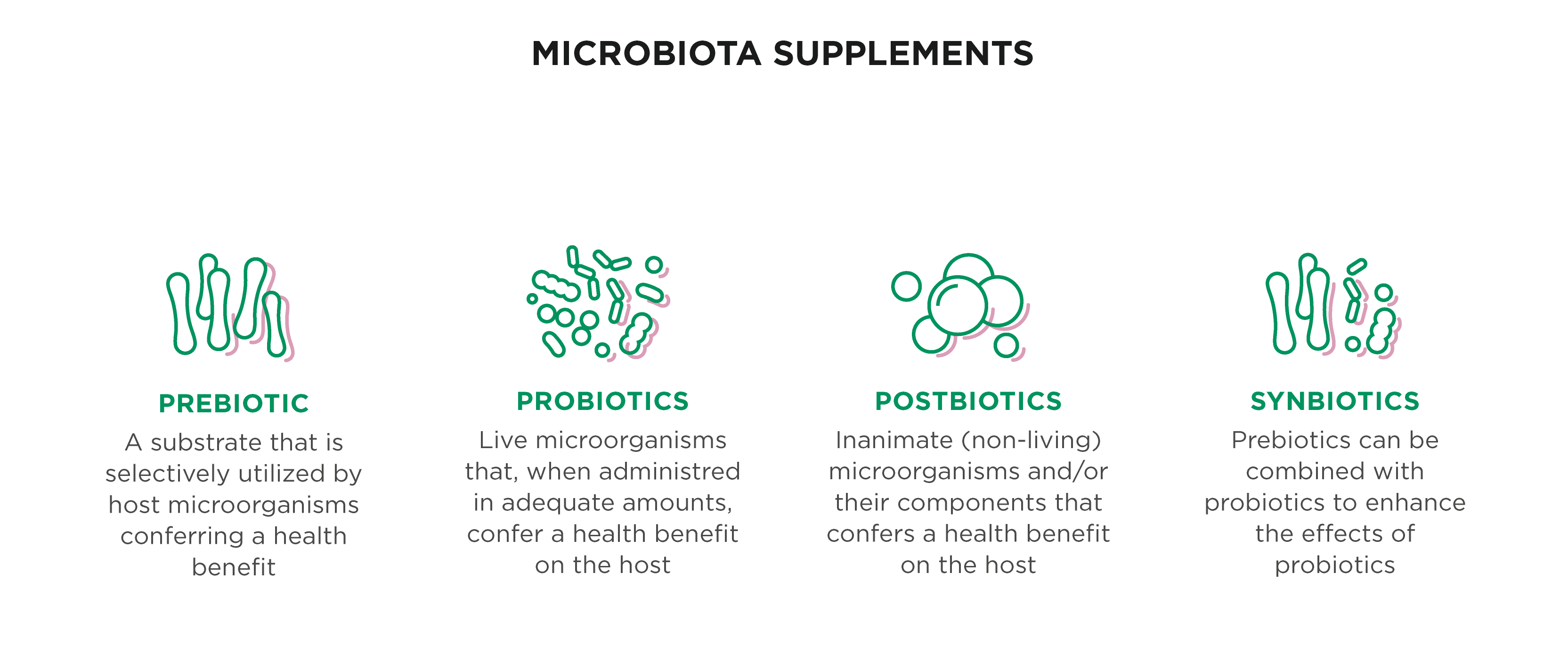
Prebiotics support a healthier oral environment by selectively feeding beneficial bacteria and reducing conditions that allow pathogenic species to thrive. Xylitol, arginine, and dietary nitrate have the strongest supporting evidence to date.
Xylitol is already familiar to most hygienists. Its effects on salivary Streptococcus mutans levels and plaque pH make it a useful addition to preventive advice for patients with caries activity. Arginine neutralises plaque acidity through the arginine deiminase system and is supported by evidence for use alongside fluoride in high-risk patients.
These are tools that work alongside mechanical interventions to make the oral environment less hospitable to pathogenic species and more supportive of the communities that consistent hygiene aims to preserve.
Probiotics and synbiotics: growing evidence
Oral-specific probiotic strains have the strongest clinical evidence base in the oral setting. Research has demonstrated effects on periodontal inflammation, caries-associated bacteria, and halitosis. A systematic review and meta-analysis found that probiotics, when used alongside scaling and root planing, produced measurable improvements in periodontal outcomes compared with mechanical treatment alone.
Timing matters significantly. Introducing probiotics after the biofilm has been disrupted and the microbial community is at its most receptive gives beneficial strains the best conditions for successful colonisation and persistence.
Synbiotics, which combine a probiotic strain with a prebiotic substrate, are showing promise as a way of enhancing both colonisation and clinical effect. For patients with persistent periodontal disease or peri-implant concerns, these adjunctive options represent a meaningful extension of the preventive toolkit for oral microbiome balance.
Tips on talking to patience about oral microbiome maintenance
The hygiene appointment is where biofilm is managed professionally and where patients are most receptive to education about daily habits.
Understanding the oral microbiome as a clinical framework means that every appointment can be oriented around maintaining the microbial community in its healthier, less mature state: disrupting biofilm before it progresses, reinforcing habits that support beneficial bacteria, and identifying patients who may benefit from adjunctive strategies.
Patient education that sticks
The most effective oral microbiome patient education shifts the framing away from bacteria as the enemy and towards balance as the goal. Language that tends to resonate:
- "It is not about removing all bacteria - it is about supporting the right ones."
- "Your daily habits shape your oral ecosystem. What happens between appointments matters just as much as what we do here."
- "Think of your mouth as a living community. The goal is to keep the good members in charge."
Patients who understand why they are being asked to use interdental brushes, reduce sugar frequency, and stay hydrated, rather than simply being told to. engage more consistently with the habits that make the biggest difference.
Oral microbiome patient education is also an opportunity to explain why some patients continue to struggle despite good compliance. Framing this through the lens of microbial resilience rather than hygiene failure builds trust and opens more productive clinical conversations.
Long-term maintenance: balance that holds
Oral microbiome balance and maintenance is a framework that operates across multiple timescales: the twice-daily brushing and interdental cleaning routine, the dietary habits maintained between appointments, the lifestyle factors managed over months and years, and the professional care that disrupts and resets the biofilm at regular intervals. No single intervention is effective in isolation.
Mechanical plaque control without lifestyle support leaves the oral environment under constant pressure from the factors that drive dysbiosis. Equally, lifestyle improvements alone cannot prevent disease progression if pathogenic biofilm communities are allowed to develop and mature undisturbed.
The emerging evidence points towards a complementary, layered approach: mechanical, lifestyle, and biological strategies applied in sequence and tailored to the individual patient's risk level. For hygienists, this is a practical, evidence-informed framework that can be applied in everyday clinical practice to make a real difference to patients’ oral health.
This article draws on findings from the GUM® Oral Health White Paper Series: Rethinking Oral Healthcare - Exploring the Resilience and Modulation of the Oral Microbiome (2025), developed in collaboration with Prof. Egija Zaura (ACTA, Netherlands) and Prof. Dr. Wim Teughels (KU Leuven, Belgium).
Oral microbiome maintenance FAQs
Oral microbiome maintenance is the ongoing process of supporting a balanced microbial community in the mouth. It goes beyond plaque removal to include lifestyle habits that support beneficial bacteria and, where appropriate, supplementary strategies such as prebiotics and probiotics. The goal is not to eliminate bacteria but to keep the oral ecosystem in a state of eubiosis.
Hygienists are well placed to deliver oral microbiome care through professional biofilm management, patient education about daily habits, and identifying patients who may benefit from adjunctive strategies. Every hygiene appointment is an opportunity to disrupt biofilm before it matures, reinforce the lifestyle factors that support microbial balance, and build patient understanding that sustains good habits between visits.
Biofilm accumulates fastest in interproximal spaces and subgingival niches that a toothbrush cannot reach. Without regular interdental disruption, the microbial community in these areas progresses into a pathogenic, disease-associated state. Brushing alone leaves the highest-risk sites unaddressed.
The four factors with the most direct influence are diet, hydration, smoking, and stress. Reducing sugar frequency rather than total intake is the most actionable dietary message. Adequate hydration supports salivary flow. Smoking cessation reduces microbial disruption, and many of its effects on the oral environment are reversible. Managing stress supports the immune fitness that keeps microbial balance stable.
Oral-specific probiotic strains compete with pathogenic bacteria and help modulate the local immune response. Evidence supports their use alongside scaling and root planing, with measurable improvements in periodontal outcomes. They are most effective when introduced after professional debridement, giving beneficial strains the best opportunity to colonize.
Conventional preventive care focuses on reducing bacterial load through mechanical and chemical means. Oral microbiome maintenance takes a broader view, actively supporting the conditions in which beneficial bacteria thrive through lifestyle guidance, biofilm management, and adjunctive biological strategies. In practice, the two are complementary - oral microbiome maintenance deepens the clinical rationale for the preventive work hygienists are already doing.
Accessible framing works better than scientific terminology. Describing the oral microbiome as "the community of bacteria that keeps your mouth in balance" gives patients a mental model they can act on. The key shift is moving away from bacteria as the enemy towards balance as the goal: good bacteria need support, not elimination, and daily habits shape that balance every day.
Frequency should reflect individual risk rather than a standard interval. Patients with a history of periodontal disease, high caries risk, or systemic conditions such as diabetes may benefit from shorter intervals that prevent the biofilm maturing between visits. The microbiome framework supports a more personalized approach to recall scheduling based on each patient's specific risk profile.
Related Articles
-
How Oral Microbiome Resilience Is Reshaping Prevention and Care - Let's Talk Oral Health Explore how resilience in the human oral microbiome is reshaping prevention, periodontal care, and long-term oral and systemic health.
-
Understanding the Role of Oral Bacteria in Colorectal Cancer Data from research around the role of F. nucleatum in the progression of colorectal cancer is too striking for dental professionals to ignore.
-
The Cornerstone of Modern Dentistry Unlock the key to effective gum disease treatment with Filippo Graziani, patient motivation and plaque control for lasting periodontal health.