How Oral Microbiome Resilience Is Reshaping Prevention and Care
The way oral health professionals think about disease is changing.
Rather than focusing solely on eliminating harmful bacteria, research is increasingly pointing toward the importance of balance, stability, and resilience within the oral microbiome as the foundation for long-term health.
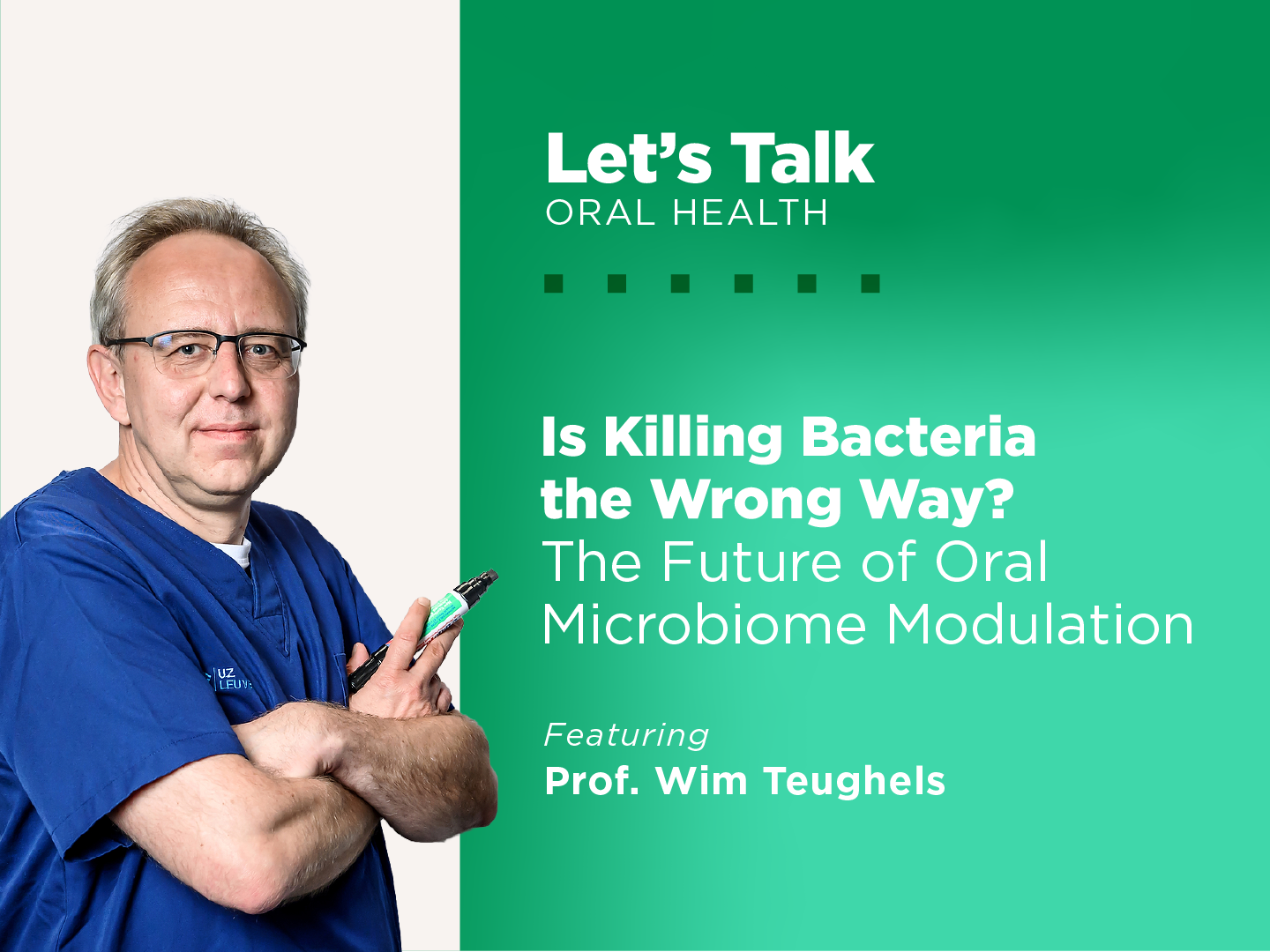
These ideas were explored in depth when Wim Teughels, Professor of Periodontology at KU Leuven and a leading researcher in oral microbiology, appeared on Let’s Talk Oral Health with hosts Martijn Verhulst and Rachel Chau.
Drawing on both clinical experience and decades of research, Professor Teughels shared how shifts in microbiome science are redefining approaches to prevention, treatment, and patient care, placing greater emphasis on supporting healthy ecosystems rather than targeting individual pathogens.
Rethinking the Oral Microbiome
For decades, periodontal care focused on identifying and eliminating specific pathogenic bacteria. That approach is now giving way to a more ecological view of oral health — one that treats the microbiome as a living system shaped by interaction, balance, and host response. Rather than defining health by what is removed, prevention and care increasingly center on how microbial communities function and remain stable over time.
Eubiosis, dysbiosis, and the role of resilience
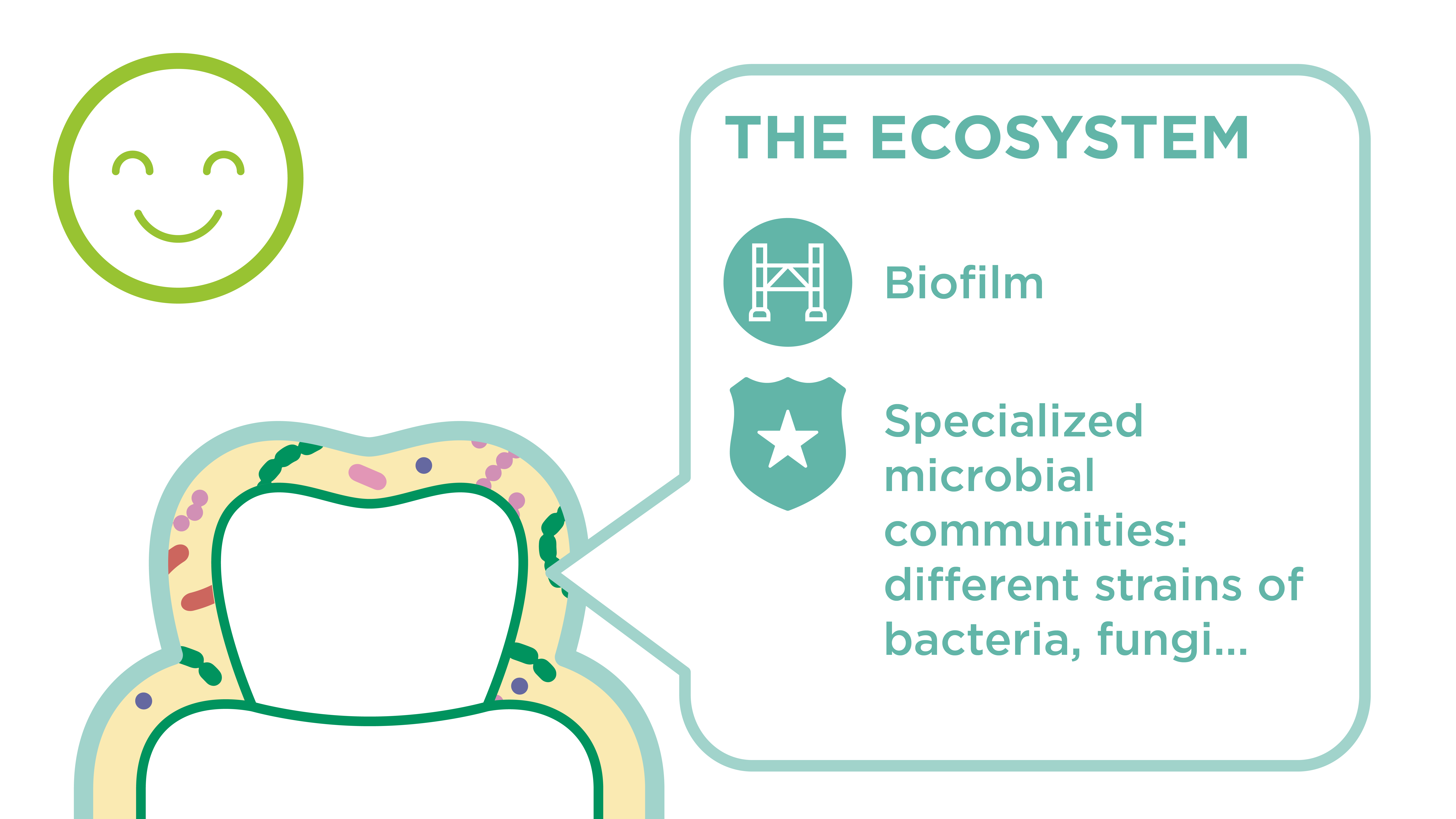
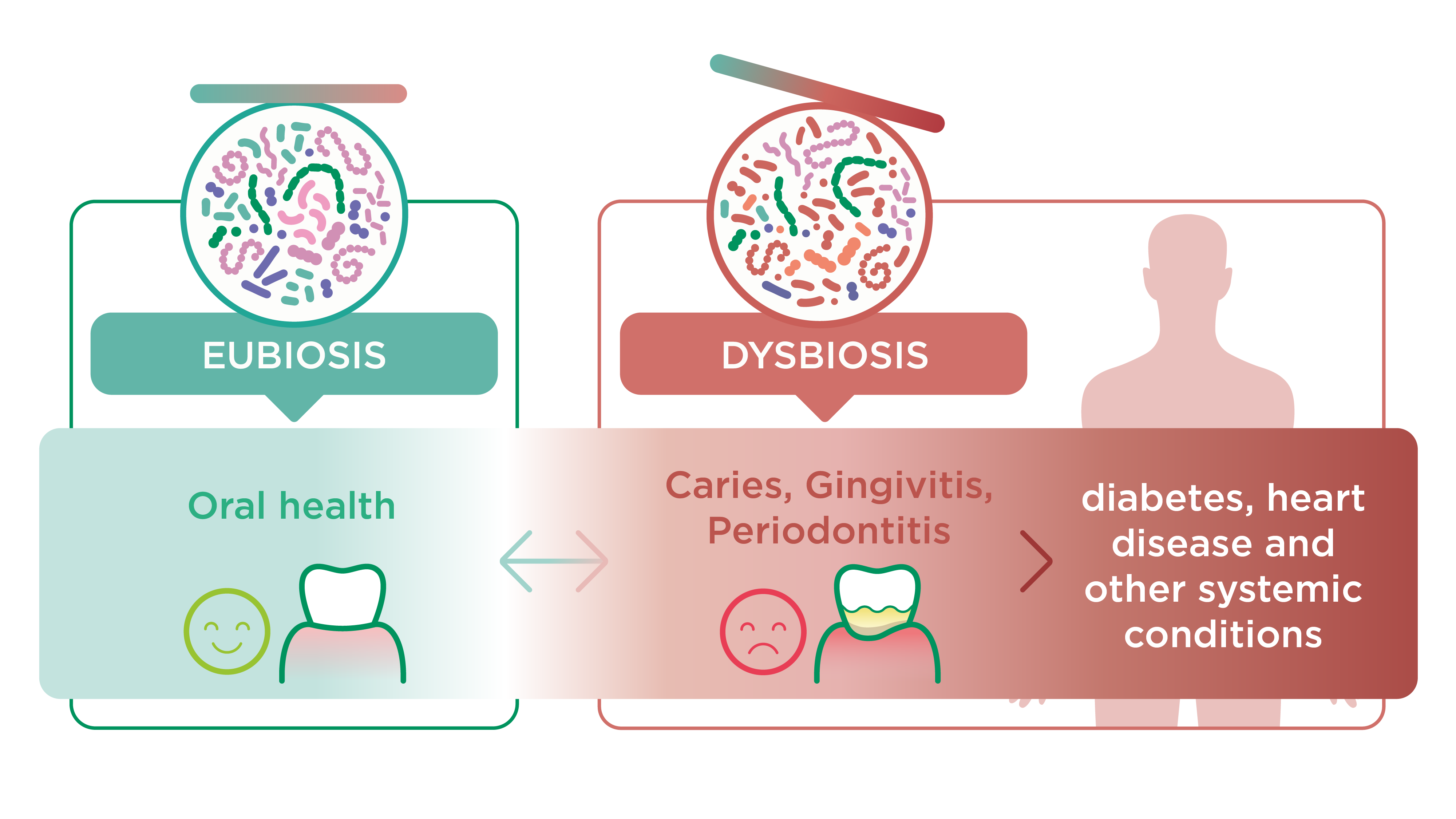
Within this ecological framework, oral health is described in terms of eubiosis and dysbiosis.
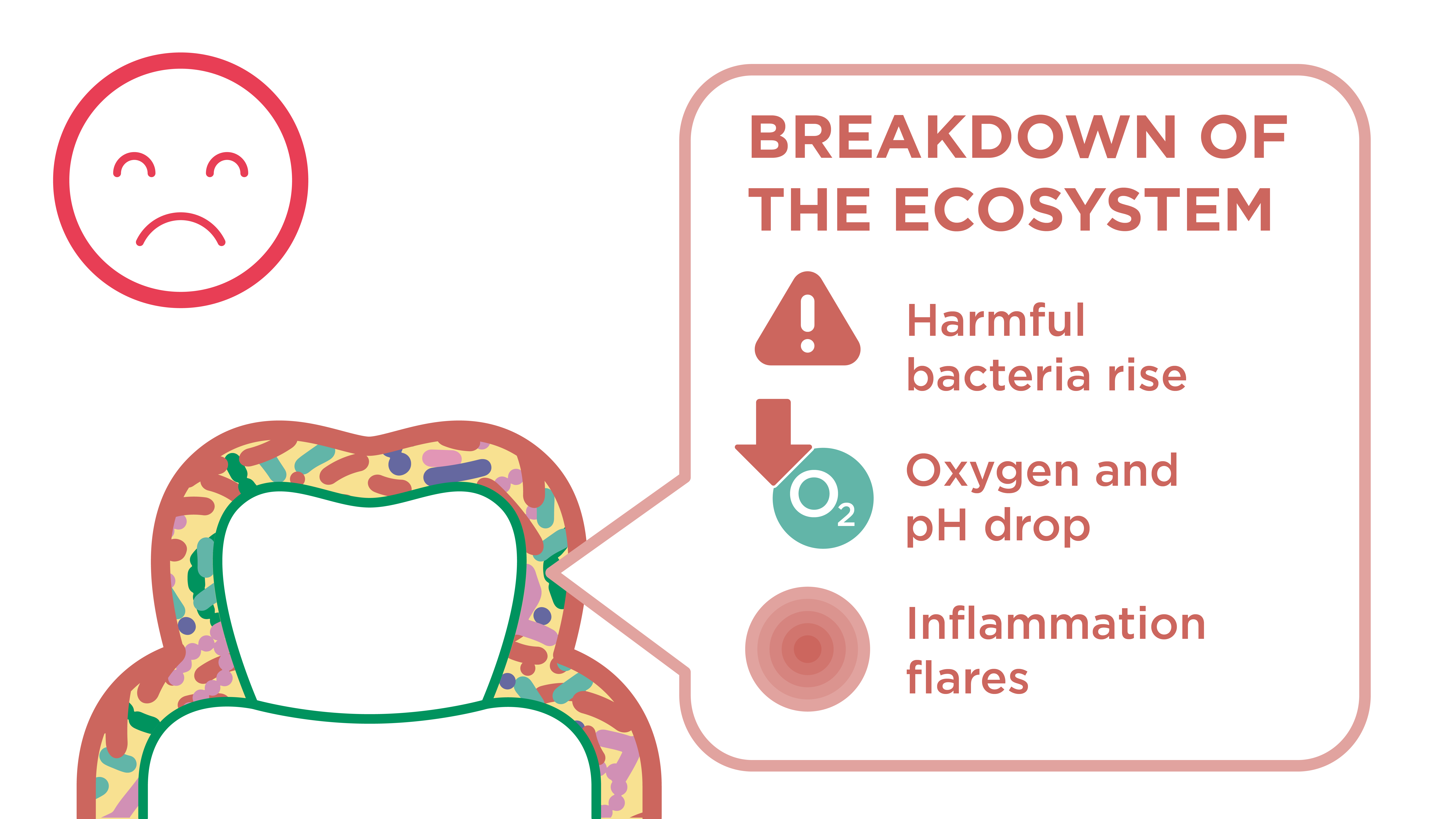
Eubiosis refers to a balanced microbial state associated with low inflammation and clinical stability. Dysbiosis emerges when microbial activity and host response begin to reinforce disease.
A key commonality between these states is resilience. A resilient oral ecosystem can withstand everyday pressures, such as plaque accumulation or systemic inflammatory signals, without tipping into disease.
Once dysbiosis becomes established, however, that same stability can make recovery more difficult, allowing imbalance to persist despite treatment. This reframes prevention as an effort to strengthen resilience early, before disease becomes entrenched.
Beyond the mouth: Inflammation and systemic influence
The conversation also places the oral microbiome within a broader biological context. Systemic inflammation, even at low levels, can influence microbial behavior in the mouth and increase susceptibility to periodontal disease. These effects may not be immediately visible clinically, yet they help determine how the oral ecosystem responds to stress and disruption.
Emerging research into gut-oral connections further supports this systems-level view. Immune signaling and inflammatory pathways may link these environments more closely than previously understood, reinforcing the idea that oral health reflects, and contributes to, overall physiological balance.
Modulating the microbiome instead of eliminating it
As this understanding deepens, prevention and care are shifting away from broad antimicrobial elimination toward microbiome modulation. The goal is no longer to sterilize the oral cavity, but to guide microbial communities toward a stable, functional state that supports health.
Approaches such as probiotics, prebiotics, and more selective use of antiseptics are discussed as tools to influence microbial activity and inflammatory response with greater precision. Used thoughtfully, these strategies aim to reinforce balance rather than disrupt it, supporting outcomes that are more durable and better aligned with the biology of the oral ecosystem.
What This Shift Means for Prevention and Care
Taken together, these ideas point to a future where oral health care is defined less by reaction and more by stewardship. Supporting microbial balance, managing inflammation, and strengthening resilience in eubiosis become central to prevention, long before disease reaches an advanced stage.
For clinicians, this shift opens the door to more personalized, biologically-informed care. It encourages approaches that account for individual variability, systemic influence, and long-term stability rather than short-term suppression. As research continues to evolve, the oral microbiome is emerging as both a diagnostic window and a therapeutic partner in maintaining health.
To hear Professor Wim Teughels explore these concepts in greater depth — including how microbiome modulation may shape the future of periodontal care — listen to the full episode of Let’s Talk Oral Health.