
The Periodontal Ligament: Biology, Disease & Regeneration
In this episode of Let's Talk Oral Health, hosts Dr. Martijn Verhulst and Dr. Rachel Chau connect live with Tokyo, Japan, to speak with Professor Satoru Yamada of Tohoku University Graduate School of Dentistry, a leading researcher in PDL biology and periodontal tissue regeneration.
The conversation covers foundational science and clinical strategy, offering a rare window into the biological logic behind everyday periodontal care.
The periodontal ligament (PDL) is one of the thinnest structures in the human body at barely half a millimeter wide, yet it does far more than hold a tooth in its socket. It senses force, regulates bone remodeling, communicates with the immune system, and carries the cellular machinery needed to rebuild periodontal tissue after disease.
For clinicians, understanding what happens inside this structure helps explain why some patients heal well and others do not.
The PDL as a Biological Control Center
For many clinicians, the periodontal ligament registers mainly as a radiographic feature — the thin dark line between root and bone. Prof. Yamada reframes it as something considerably more active.
The PDL is a connective tissue populated by fibroblasts, stem cell-like progenitor cells, blood vessels, nerve endings, and immune-related signals.
Together, these elements make the PDL not just a structural anchor, but what Prof. Yamada describes as a biological control center for the periodontium.
Its functions extend well beyond support. The PDL:
- Transmits sensory information, giving natural teeth a tactile sensitivity that implants cannot replicate
- Supplies nutrients to the cementum and surrounding bone
- Coordinates bone resorption and formation during orthodontic movement
- Houses the cells and signals required for regeneration when tissue is lost
This last function is what sets the PDL apart, and what makes it so consequential for disease management.
What Happens When Homeostasis Breaks Down
In terms of health, PDL fibroblasts maintain a careful balance: producing and remodeling collagen, regulating tissue turnover, and communicating with bone-forming and bone-resorbing cells. Prof. Yamada describes this state as PDL homeostasis: a condition in which the tooth is stable, inflammation is controlled, and biological activity is in equilibrium.
That balance is vulnerable. When bacterial biofilm drives a sustained inflammatory response, the PDL is exposed to cytokines, degrading enzymes, and oxidative stress that alter how its cells behave. Collagen fibers break down, attachment is lost, and the ligament's capacity for repair becomes compromised.
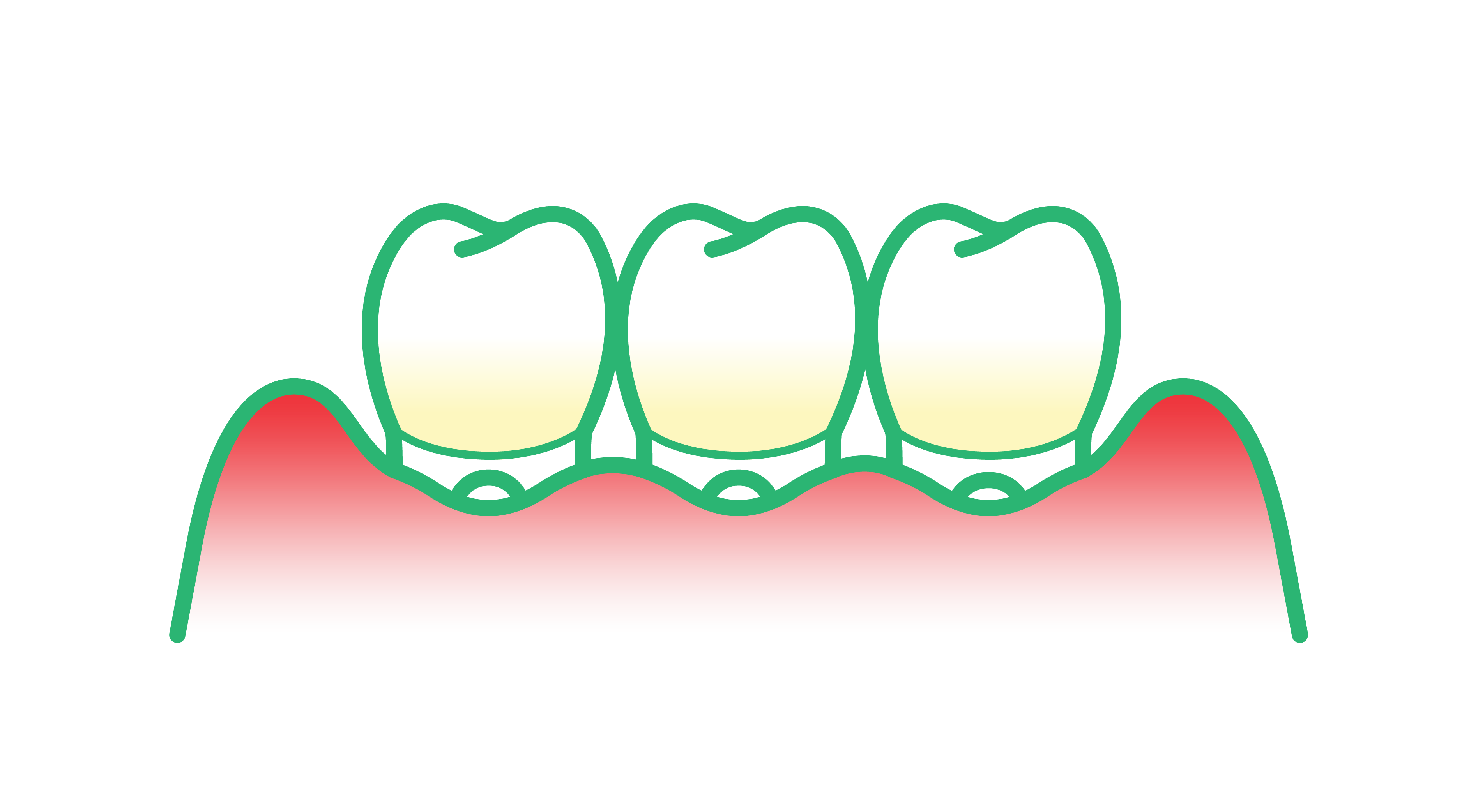
Early changes may be reversible with effective biofilm control, but once attachment loss and alveolar bone destruction occur, the window for spontaneous regeneration closes. The tissue can stabilize, but rebuilding its original architecture requires deliberate intervention.
Susceptibility to this breakdown differs between patients and is shaped by the interaction of genetic background, systemic conditions, and lifestyle. Smoking is particularly damaging: it impairs blood flow, blunts the inflammatory response in ways that can mask disease severity, and creates an environment where wound healing is consistently compromised. Prof. Yamada is direct on this point: smoking cessation is not separate from periodontal therapy. It is part of it.
Why Regeneration Requires the PDL
One of the most clarifying moments of the conversation comes when Prof. Yamada draws the distinction between bone repair and true periodontal regeneration.
Bone repair, as in guided bone regeneration, requires osteoblasts and materials that support bone formation. Periodontal regeneration requires something more: the re-establishment of a functional PDL between the root surface and the newly formed bone.
Without PDL-derived cells, osteoblasts attaching directly to the root surface produce ankylosis rather than a functional attachment. True regeneration depends on the PDL's mesenchymal progenitor cells generating not just new bone, but new cementum and new ligament fibers, which is the full three-part complex that makes a tooth functional and resilient. This is why techniques that protect the space for PDL repopulation, such as guided tissue regeneration and enamel matrix derivative applications, are biologically meaningful.
The Oral-Systemic Connection at the PDL Level
The oral-systemic link is a recurring theme on the Let's Talk Oral Health podcast, and Prof. Yamada grounds it specifically in PDL biology. The ligament is a local structure, but it responds to systemic conditions. Diabetes impairs periodontal healing and amplifies inflammation. Aging affects the regenerative capacity of PDL cells.
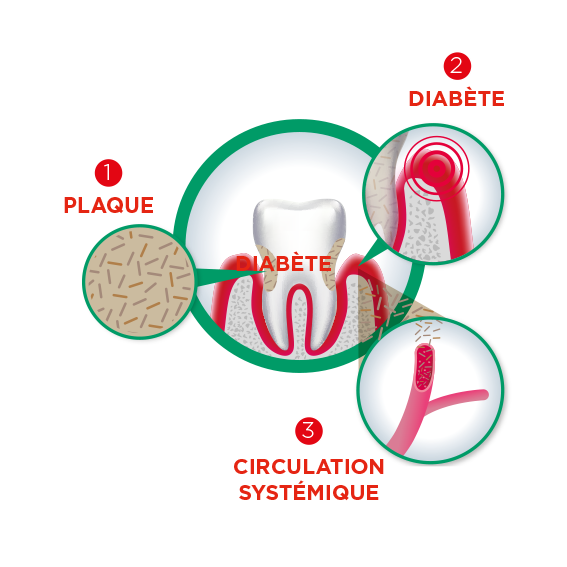
Nutritional status influences collagen synthesis and tissue repair, and emerging research suggests that cellular metabolism itself may regulate how PDL cells behave during healing, opening potential new directions for host modulation.
The implication for practice is clear: managing periodontal disease well means attending to the whole patient. When clinicians help patients address smoking, improve glycemic control, or support better nutrition, they are directly influencing the biological environment in which the PDL operates.
From Biology to Daily Practice
Prof. Yamada closes the conversation with a set of strategies that translate PDL science into clinical action. Effective biofilm control remains the foundation — periodontitis progresses proximally, making interdental hygiene essential. Bleeding on probing is a useful guide to where inflammation remains active. Occlusal forces need monitoring, because excessive mechanical stress disrupts PDL homeostasis just as inflammation does.
Systemic and lifestyle risk factors require ongoing attention. And long-term supportive periodontal care is a biological necessity, because periodontitis is chronic and the conditions that drive it do not resolve permanently.
Underlying all of it is a shift in how periodontal therapy is communicated to patients. They often think of periodontal treatment as cleaning. Prof. Yamada suggests a different angle: this is the management of a chronic inflammatory disease, aimed at preserving the supporting tissues that keep teeth functioning. Protecting the PDL, in other words, is protecting the foundation of oral health itself.
To hear Professor Satoru Yamada explore these ideas in full, listen to the full episode of Let's Talk Oral Health.