Redefining Prevention: How Britt Glauz is Elevating the Role of the Dental Hygienist
The world of dental health is undergoing a quiet yet significant change, driven by professionals redefining what prevention looks like.
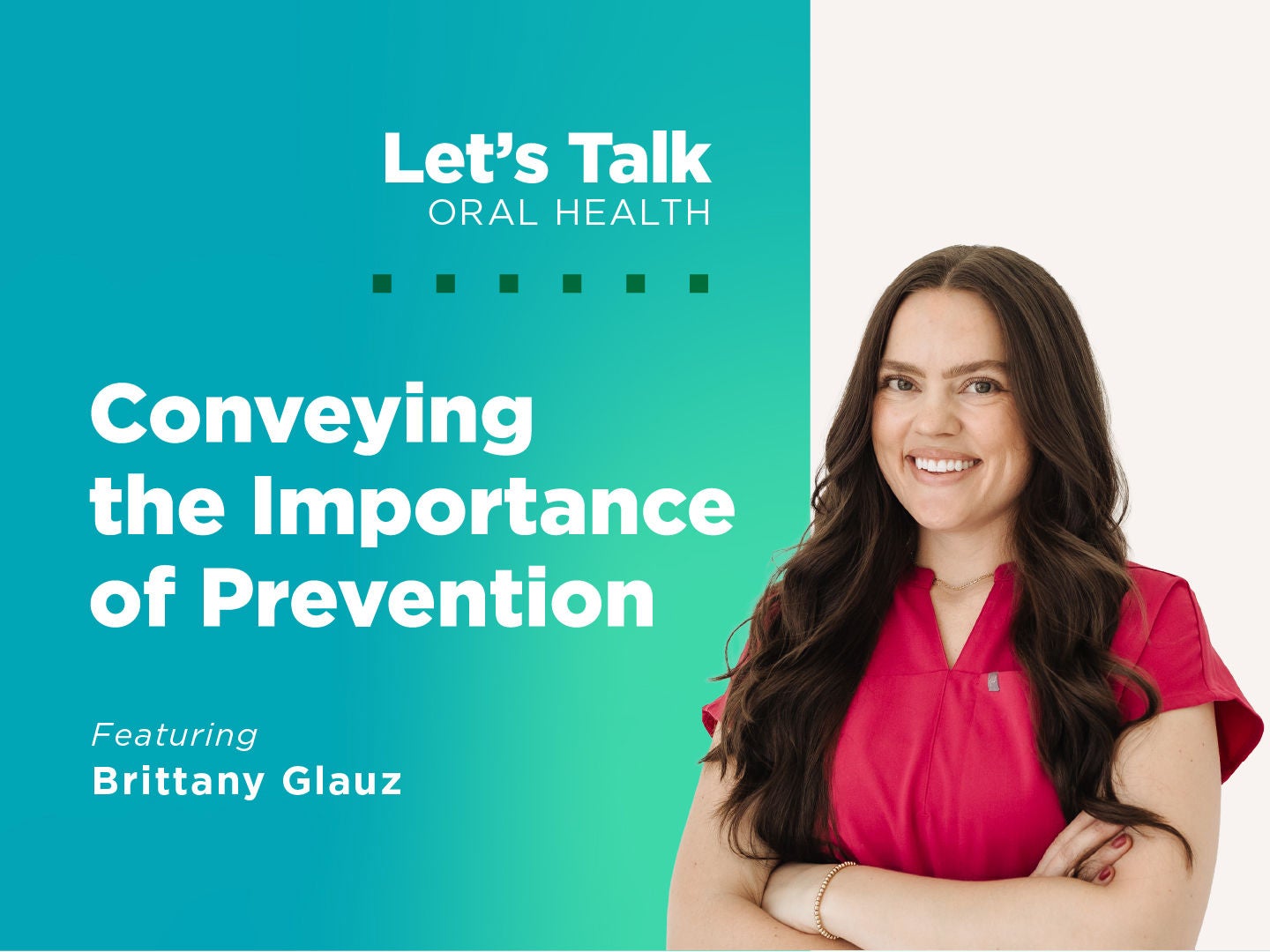
On our podcast, Let’s Talk Oral Health, we are joined by Britt Glauz, a registered dental hygienist and the voice behind Brush with Britt, to discuss these changes.
Glauz is a leading advocate for both her patients and the dental hygiene profession, driven by a deep passion for education and care.
This episode explores the benefits of integrated care, the role Glauz sees for dental hygienists in the future, and the way she is inspiring a move toward proactive, personalized oral health care.
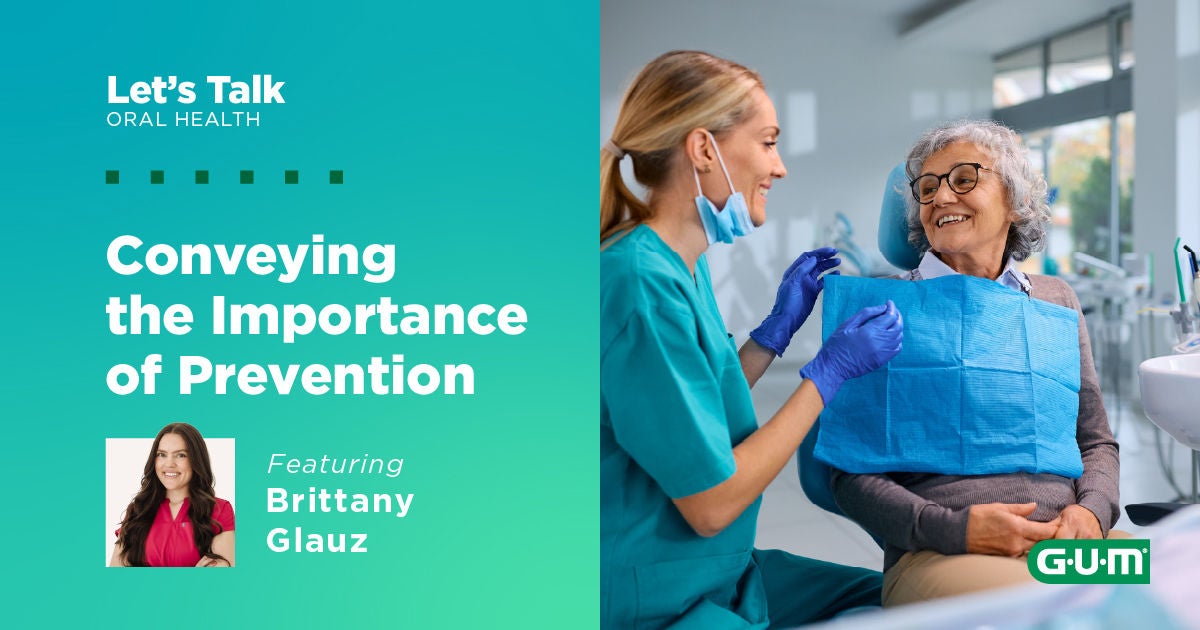
The Evolving Role of the Dental Hygienist
As the understanding of the oral-systemic link advances, the scope of dental practice has expanded. Dental professionals are increasingly providing holistic preventative services, with dental hygienists playing an instrumental role in patient education.
Crucially, the appointment is becoming a wellness screening opportunity, with hygienists routinely performing hypertension and glucose screenings.
In our conversation, Glauz highlights the rise of cutting-edge services like salivary testing to analyze oral bacteria and their systemic links, and guided biofilm therapy for targeted cleaning.
The future holds the possibility of greater medical-dental integration, where hygienists are vital members of the whole healthcare team.
Glauz points out that hygienists are positioned to work in non-traditional settings, including hospitals, schools, nursing homes, and even OBGYN offices, providing essential preventative education and care to a wider range of patients.
Moving Beyond the Six-Month Model
Glauz argues that a core issue with current dental practice is the "six months for everyone" model. This uniform, one-size-fits-all approach is not conducive to quality, comprehensive care. Instead, she emphasizes the critical need for individualized, risk-based, and tailored recall schedules that genuinely address a patient’s specific needs and systemic health risks.
For instance, Glauz cites a patient whose blood pressure was dangerously high during a routine dental hygiene school visit. The patient was completely unaware of the issue, and the mandatory screening led to vital medical intervention. “She was able to get diagnosed and get medication,” Glauz shares. “She even made lifestyle changes, and ultimately was able to completely stop taking medication and have her blood pressure in a good range.”
Glauz notes that a simple, minute-long assessment potentially saved her patient’s life, underscoring that prevention is about looking for and mitigating threats before they become emergencies.
Improving Dental-Medical Collaboration
The potential for the dental hygienist to be a key member of the whole healthcare team is currently hampered by a fundamental separation between the medical and dental fields.
Glauz observes that in the United States, "we're very much separated," a disconnection that often prevents the integrated care patients need.
However, bridging this gap is often as simple as a moment of heightened awareness. Glauz shares a powerful example of a hygienist's role in whole-body health with the skin cancer screening anecdote: a patient came in with a lesion on their lip that was not healing and had irregular borders. Concerned, Glauz intervened, noting the spot had been there for over six months. She not only voiced her concern but personally had a phone call with the dermatologist to help expedite the patient's appointment. The lesion was diagnosed as skin cancer, and the patient has since recovered from what could have become a life-threatening condition if left untreated.
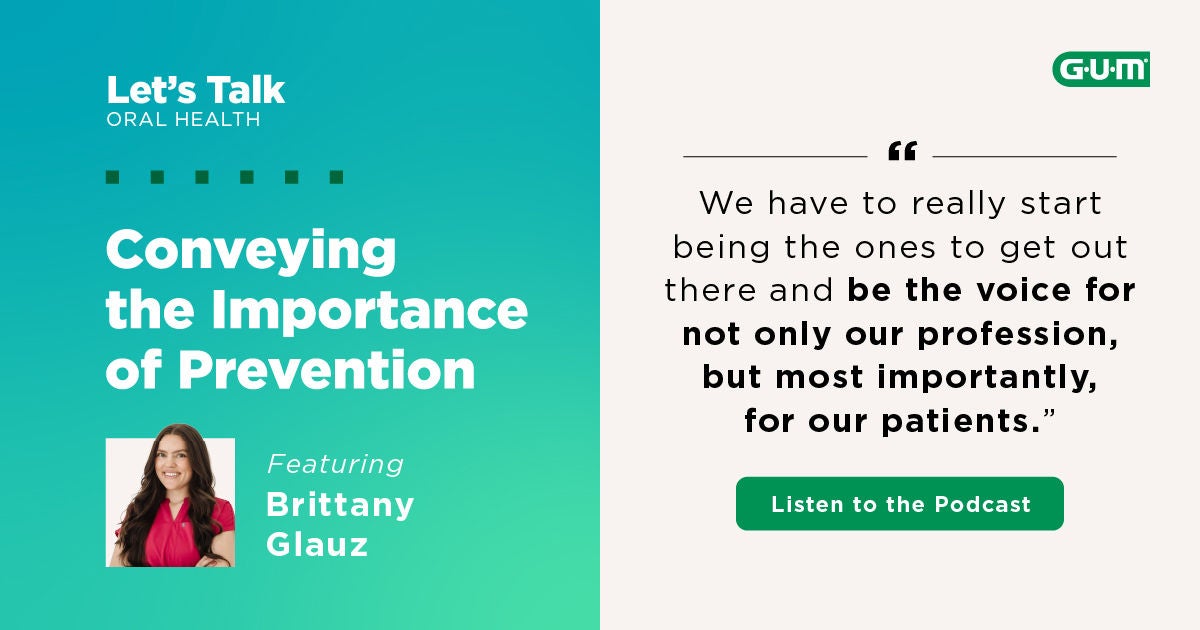
To facilitate dental-medical collaboration on a larger scale, Glauz insists that dental professionals must take the initiative.
She advocates for the need to make the profession's presence known in places that are "not just dental conferences."
Dental professionals need to go to medical conferences, to be the voice for their profession and for their patients. Furthermore, practical systems are needed to facilitate cross-referrals and communication with physicians, such as writing a simple summary or having a phone call with the patient’s doctor. This will help break down existing barriers and ensure a continuous, coordinated care experience for the patient.
The Future of Oral Health
Looking ahead, the most critical change that would strengthen the role of the dental hygienist and expand patient access to essential prevention is professional autonomy. Glauz insists that the movement must start with a fundamental shift in perspective: acknowledging hygienists as healthcare providers and prevention specialists.
The current structure, however, often feels as though prevention is being "gate kept" and locked within the dental office setting. Her long-term vision is to advance the scope of practice across all states, allowing hygienists to utilize their education and license to practice without a dentist being physically present. This autonomy is essential to increase their reach and get to more patients early with preventative care.
To hear Glauz share more insights on the future of the profession, the oral-systemic link, and the power of prevention, be sure to listen to the full episode of Let's Talk Oral Health.